5. Drink alcohol only in moderation, if at all.
For healthy adults, that means up to one drink a day for women of all ages and men older than age 65, and up to two drinks a day for men age 65 and younger. Too much alcohol can lead to serious health problems, including high blood pressure, heart failure and strokes.
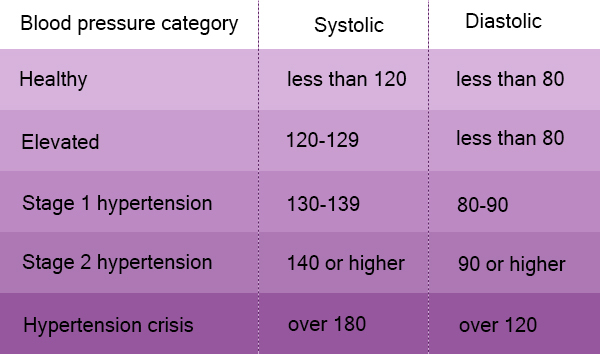
BLOOD PRESSURE
130/72 on 3/7/24, 126/70 2/20/24
NUTRITION
- Daily: 45-65% Carbs, 10-35% Protein and 20-35% Fat .
- Daily: Carbohydrates (1-200 g) , Protein (70-100 g) and Fat (30-50g).
- Fiber - 28-30 grams fiber daily – whole grains, nuts, seeds, kefir, nuts, grains, fruits, avocado, oat bran, pre-workout banana
- Protein 150-170g, older & athletes need more, 20 g no more than 2 hours after workout. Chicken, beef, turkey, egg, dairy, 1 cup pinto beans = 30 g fiber. If you're really hungry and know you're going to go slightly over your calorie goal for a day, doing so with protein can be beneficial
- Calcium – 1000mg male over 60, 8 oz kefir = 300mg, dairy, beans, lentils, salmon, sardines, almonds/walnuts, whey protein (160mg/scoop), amaranth (cup-160mg), pinto beans cup = 80mg, whey protein = 130mg. Bone health, beware of calcified arteries.
- Potassium – 3400 mg, 1 medium banana = 400mg, 8 oz kefir = 400mg (Bananas, oranges, cantaloupe, honeydew, apricots, grapefruit (some dried fruits, such as prunes, raisins, and dates, are also high in potassium) Cooked spinach, Cooked broccoli, Potatoes, Sweet potatoes, Mushrooms, Cucumbers, Zucchini, Leafy greens, pinto beans cup = 745mg, whey protein from Gold Standard = 200mg. Coconut water.
- K2 – 100 mg, Natto? Asian Pan Supermarket - Frozen 16A. An egg yolk can contain between 67 and 192 micrograms of vitamin K2. Foods
.
- Vitamin D – 600 IU. The best sources are the flesh of fatty fish (shrimp high in sodium) and fish liver oils. Smaller amounts are found in egg yolks, cheese, and beef liver. Mushrooms. Sunshine. Foods . Fish = tuna,
mackerel,
oysters,
shrimp and shrimp heart-health,
sardines,
anchovies
- Magnesium boosts Vitamin D. More on both. Avocados and bananas.
TIPS
- 9 servings fruit and veg – four diff colors or shades of green
- Tackle the worst first - alcohol, salt and refined flour. Beware of hidden SODIUM - 1500-2300 mg daily limit. Shrimp!
As for alcohol, not only is it calorie dense (7 kcal/gram, almost as high as fat), it has no satiety factor. There is another reason to cut down on your alcohol consumption: It blows away your resolve. Which is why I’m going to give you this challenge: To kick-start your weight loss and to lose weight, don’t drink alcohol at all.
- Eat breakfast - avoid sugar spikes, prevents you from eating more calories during day. Bananas for breakfast? . Instead of a banana, pairing healthy, higher fiber, high carb foods like a banana with heart-healthy fats and a good protein source may be more beneficial for blood sugar and appetite regulation. Glycemic index info. Oat bran, egg for breakfast with avocado toast
- Foods with fiber and water content fill you up more, fewer calories - produce! Eat a salad or soup before a meal to fill up.
- Read labels for simple ingredients. Example - Shredded wheat / cereals has one ingredient, whole wheat
- Make Vegetables and Fruit Account for 50 Percent by Volume of Your Diet. 20% should be whole grains (brown rice, amaranth, farro, oat, etc.), 20% lean protein (legumes and tofu, fish, and some poultry. ) Last 10% fat or some type of low-fat dairy.
- Watch saturated fats – non-grass-fed red meat, fried food, processed, bakery items, snacks, use nonfat milk, yoghurt, cheese
- Avoid butter, dairy, sour cream, cheese, fried foods, oily crusts/pastries and refined flour and fillers, processed meats, sugar, sweets, alcohol
- Good unsaturated fat and fiber - Fruit, veg, fatty fish (1-2 x per week) - cod, tuna, sardines, salmon, halibut, haddock, shellfish (salt!)
- Legumes/beans, especially white beans (Northern, cannelini, navy). 21% daily potassium, 11g Fiber, 26% magnesium. Beans Nutrition
- 29 Healthy Snacks to help weight loss
LONG LIFE TIPS
- Eat to 80% full
- Exercise
- Straight posture
- All things in moderation
GUT HEALTH
There are three main types of digestive enzymes:
- Proteases: Break down protein into small peptides and amino acids
- Lipases: Break down fat into three fatty acids plus a glycerol molecule
- Amylases: Break down carbs like starch into simple sugars
1. Lipases - made by the body – avocado, walnut, pine nuts. They attack visceral fat! The Pac-Men that pull fat from the bloodstream down into the muscle, increase and are more active—they are primed to tap into those fat stores and burn them a lot sooner during movementWith exercise, they actually develop a preference for using the visceral fat, the dangerous fat around your middle!
2. Bromelain – I don’t need it, pineapple, too hard to get without a supplement
3. Amylase:
- Bananas - contain amylases & glucosidases, 2 groups of enzymes that break down complex carbs like starch into smaller & more easily absorbed sugars. 2 per day?
- Apples naturally contain liquid acid amylase & amyloglucosidase as an enzyme, which converts starch to sugar maltose. Proteases convert proteins into amino acids
-
Avocado, pineapple, sauerkraut, kefir, mango, kiwi, ginger
SMOOTHIE – high calorie
½ apple,
½ banana (6% potassium),
chia (5g fiber), hemp, flax,
2 protein powder (21 g protein)
8 oz / 1 cup kefir daily (8% p)
Cocnut water 1 cup = 13% potassium,
avocado = 15% potassium, 13% fiber),
arugula or spinach / kale
KEFIR
-
Milk kefir is abundant with live probiotics, including beneficial Lactobacillus bacteria strains and yeasts which ferment lactose. Gut health It is the yeast population in kefir that adds additional health benefits.
-
Generally kefir is a good source of 8 g protein, calcium, potassium, and phosphorous, Vitamin A and several B vitamins, including biotin, folate, riboflavin and B12. Due to the presence of vitamin D, calcium, and potassium in dairy products, the current Dietary Guidelines for Americans encourages most people to consume three servings per day. If you consume dairy, consider adding milk kefir to your diet!
VITAMIN D and SUNLIGHT
When your skin is exposed to DIRECT sunlight, it makes vitamin D from cholesterol. The sun's ultraviolet B (UVB) rays hit cholesterol in the skin cells, providing the energy for vitamin D synthesis to occur. Vitamin D has many roles in the body and is essential for optimal health. It’s important to note that the sun’s UVB rays cannot penetrate through windows. Link.
Midday, especially during summer, is the best time to get sunlight. At noon, the sun is at its highest point, and its UVB rays are most intense. That means you need less time in the sun to make sufficient vitamin D. Many studies also show that the body is most efficient at making vitamin D at noon. Under the right circumstances, 10 to 15 minutes of sun on the arms and legs a few times a week can generate nearly all the vitamin D we need
The commonly recommended daily dose of vitamin D is 600 IU (15 mcg) - cod liver oil (Carlson - 400 IU, 11 mcg)
Only a handful of foods contain significant amounts of vitamin D.These include cod liver oil , swordfish, salmon, canned tuna, beef liver, egg yolks and sardines. That said, you would need to eat them nearly every day to get enough vitamin D. If you do not get enough sunlight, it’s often recommended to take a supplement like cod liver oil. One tablespoon (14 grams) of cod liver oil contains more than three times the recommended daily amount of vitamin D (4).
You can still get vitamin D on a cloudy day. Even if the sky is overcast, UV rays still penetrate that cloud cover, triggering the synthesis of vitamin D
SLEEP
On average you'll go through 3-5 REM cycles per night, with each episode getting longer as the night progresses. The final one may last roughly an hour. For healthy adults, spending 20-25% of your time asleep in the REM stage is a good goal. If you get 7-8 hours of sleep, around 90 minutes of that should be REM.
Around 25% of this should be deep sleep.
More info

ALCOHOL
We don't like the taste of alcohol. Our brain associates it with good feelings/times and learns to like the taste.
All inebriation and hangover effects are due to chemical imbalances, overcompensations, withdrawal.
It is a toxin, a poison.
NICOTINE
Yes, quitting nicotine can reverse heart damage. In fact, it can do so QUICKLY!.
According to the American Heart Association, one-third of deathsTrusted Source from coronary heart disease each year are due to nicotine. On average, people who smoke die more than 10 years earlier than people who don’t smoke.
But quitting can positively impact your health within a short time frame. With time, you can nearly eliminate the damage that nicotine caused to your blood vessels and heart:
- After 1 year of being nicotine-free, your risk of heart disease and heart attacks will be halved.
- After 15 years, your risk for heart disease and heart attacks will be similar to someone who has never smoked.
- One studyTrusted Source found that levels of HDL in former smokers return to levels equal to that of nonsmokers within 1 year of quitting.
Quitting nicotine has other health benefits beyond the good it does for your cholesterol and heart health.
For example, the nerve endings in your nose and mouth begin to grow back within 48 hours of your last cigarette. This will help restore your sense of smell and taste, which is damaged by smoking.
You’ll have more oxygen in your blood, which will translate to more energy for your cells and tissues to use. The improved oxygen levels can also help boost immunity and lower inflammation, so you’re better able to fight off colds, viruses, and other illnesses.
Quitting nicotine lowers your risk of several cancers, too, including:
- lung cancer
- brain cancer
- bladder cancer
- throat cancer
Quitting tobacco may not be easy. Chewing is an addiction on two fronts: Nicotine causes a chemical addiction, and chewing is a behavior addiction.
But you can overcome both of these. Indeed, quitting nicotine is KEY to managing your risk for high cholesterol, heart disease, and many other health issues. So even if it takes a few tries, it’s important to keep trying. You have a lot to gain from being tobacco-free.